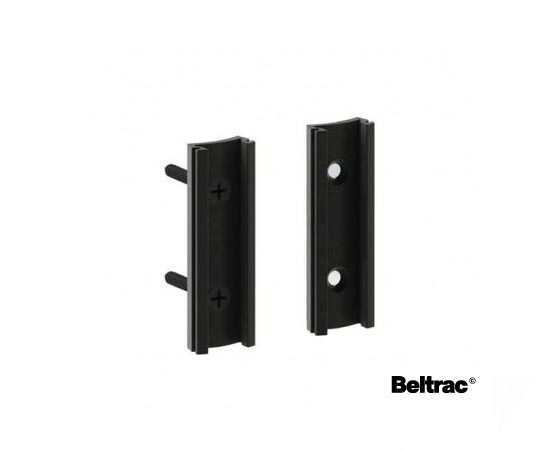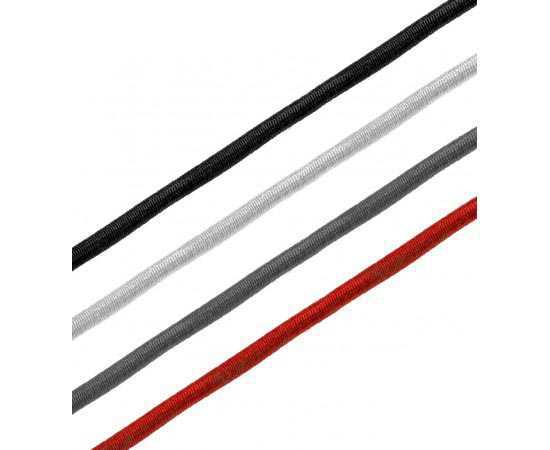
Elastic Cord (Sold by the...
Elastic cord in black, white, red,...
€1.60

Recevez en temps réel le statut de votre livraison
Places of worship — parish churches, cathedrals, basilicas, abbeys, chapels, sanctuaries and monasteries — welcome millions of visitors each year: worshippers, tourists, pilgrims, school groups and art lovers. This dual vocation, both sacred and cultural, requires fine crowd management and rigorous protection of artworks and spaces.
The protection of artistic heritage comes first: polychrome altarpieces, medieval frescoes, tomb effigies, baroque altars and ancient statues cannot withstand repeated contact. A simple rope stretched at one metre distance is enough to keep an artwork out of reach without disrupting contemplation. Liturgical flow management matters just as much: major celebrations (Easter Vigil, weddings, ordinations, public funerals) disrupt the usual occupation of the nave and require directing the faithful, channelling the communion line, reserving space for altar servers and choir.
Religious and cultural tourism now turns the smallest cathedral into a site visited by hundreds of thousands, often millions of people per year: a coherent visit circuit must be traced, the ongoing service in the chancel protected while leaving the ambulatory open, the queue before the crypt or treasury organised. Add to this the demarcation of sacred space (chancel, sanctuary, tabernacle, sacristy), security concerns against vandalism, permanent restoration works on vaults, stained glass and organ, and finally accessibility (mobility-impaired routes, tactile circuits, temporary signage).
The chancel and sanctuary come first — celebration space with the high altar, ambo, cathedra and choir stalls, they must remain visible but inaccessible outside services. Then come the side chapels and radiating chapels (Lady Chapel, reliquaries, pietà, altarpieces), the baptismal font, the holy water stoup, the pulpit and the lectern. Confessionals call for light barriers to preserve penitents' privacy, and the treasury displayed in situ (monstrances, croziers, reliquaries) always constitutes a particularly sensitive zone.
For circulation, the crypt, tombs and effigies require a linear path that flexible barriers trace without any fixing to the historic floor; the cloister and its galleries channel tourist groups without weighing down the décor. The organ, gallery and rood screen deserve protection during concerts. Finally, temporary barriers prove essential for major events (wedding processions, televised masses, processions, ordinations) and for punctual work zones in front of a fresco, a fragile floor or a statue temporarily removed for restoration.
Not all barrier solutions suit a place of worship. Industrial metal barriers, plastic ribbons or construction chains clash with the solemnity of a nave. The rope stanchion has established itself in great European cathedrals because it combines visual discretion, noble materials, total mobility and absolute reversibility — no floor fixing, no trace on ancient stone.
At the heart of our range dedicated to these demanding environments, the Museum brushed stainless steel rope post is our reference for prestige places of worship. Its matte finish harmonises beautifully with limestone, patinated bronze and dark wooden choir stalls, with no aggressive reflections. For buildings in golden tones — baroque décor, copper ironwork, ancient liturgical furniture — the golden ball-top rope stanchion is the perfect alternative; its sphere evokes the heads of processional staffs and reliquary ornaments. Our full rope barrier post catalogue offers other finishes — brushed brass, matte black, chrome — for more contemporary contexts.
Our team supports church councils, parishes, rectors, conservators and diocesan heritage services in defining the right setup: number of posts, rope type, visitor circuit, finishes. Tailored quote for your building and fast delivery throughout Europe.