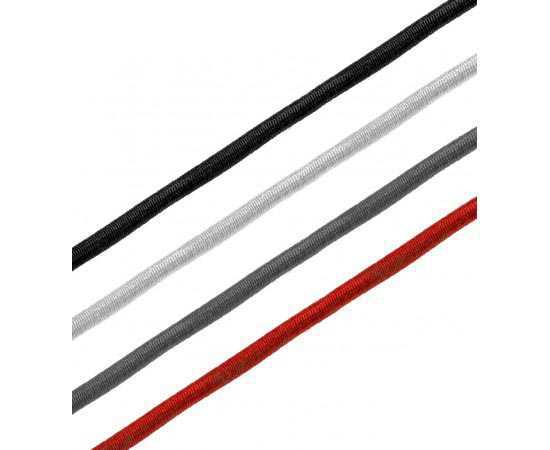
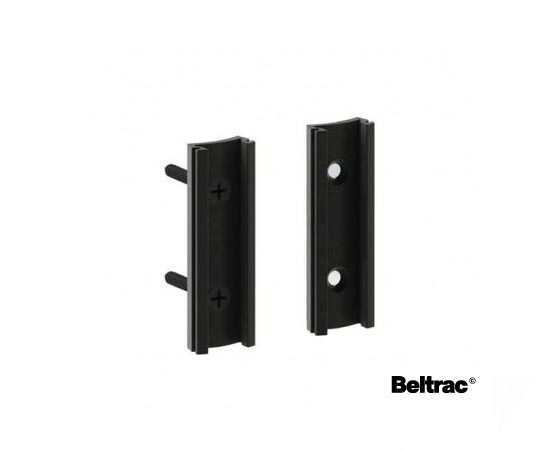
Stainless Steel Rope Post BSR Series,...
Stainless steel rope post BSR with silver grey finish, understated and contemporary.
€98.00

Recevez en temps réel le statut de votre livraison
Mobile rope barrier posts (on portable bases) are perfect for directing visitors, defining areas or creating queue lines. Easy to move, these rope barrier posts add elegance to your event or establishment. They provide an excellent solution for both temporary and permanent crowd control applications. Many carefully selected rope barrier post brands, chosen by our teams based on their manufacturing quality, are available on C³: don't hesitate and take advantage of our great deals to buy affordable crowd control posts!
Portable rope barrier posts bring order and elegance wherever queues form: hotel lobbies, cinemas, banks, galleries and event entrances. The weighted base keeps each post stable while remaining easy to relocate, and the rope clips on and off in seconds for quick reconfiguration.
Match the finish to your interior: polished chrome or stainless steel for modern spaces, gold-effect for VIP and red-carpet areas. Combine several posts with matching ropes to guide visitors along any path, then store them flat when the event is over.
As a rule of thumb, space rope barrier posts about 1.5 to 2 metres apart so the rope keeps a gentle, professional drape rather than pulling taut. Count the posts for the full length of the route, then add one at each corner and one to close the line. For queues that spill outdoors, mix in a few weather-resistant outdoor guidance posts so the same rope run continues seamlessly from lobby to entrance.
Shop rope barrier posts by finish: black for understated interiors, chrome for a bright polished look, or gold and brass for VIP and red-carpet settings.




Can't find the answer to your question ?
The mobile rope stanchion combines the elegance of velvet or braided rope with the flexibility of a movable base. This page focuses on technical characteristics to compare; usage, installation and customization questions are covered in the FAQ at the bottom of the page.
Round base slides better on hard floors and has a more discreet visual footprint. Square base offers superior stability against asymmetric tension but may catch on carpets. For thick carpet areas, choose bases weighted to 10 kg minimum.
For permanent installation, see fixed rope stanchions. For tighter budgets or less formal environments, mobile belt barriers fulfill the same functions at lower cost.