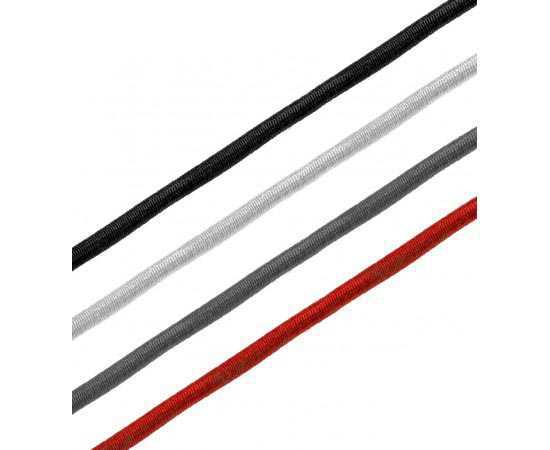

-- please choose --

Beltrac Wall Mount for Rope
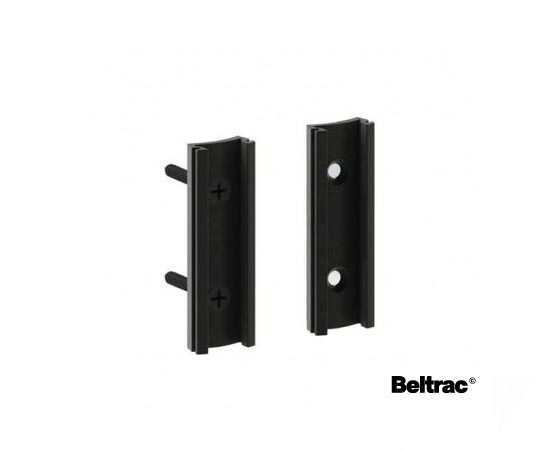
Wall mount for fixing Beltrac ropes, chrome, brass or brushed finish.
€11.50
Best-seller
in stock

in stock


VIP Areas
Premium Crowd Control in VIP Spaces
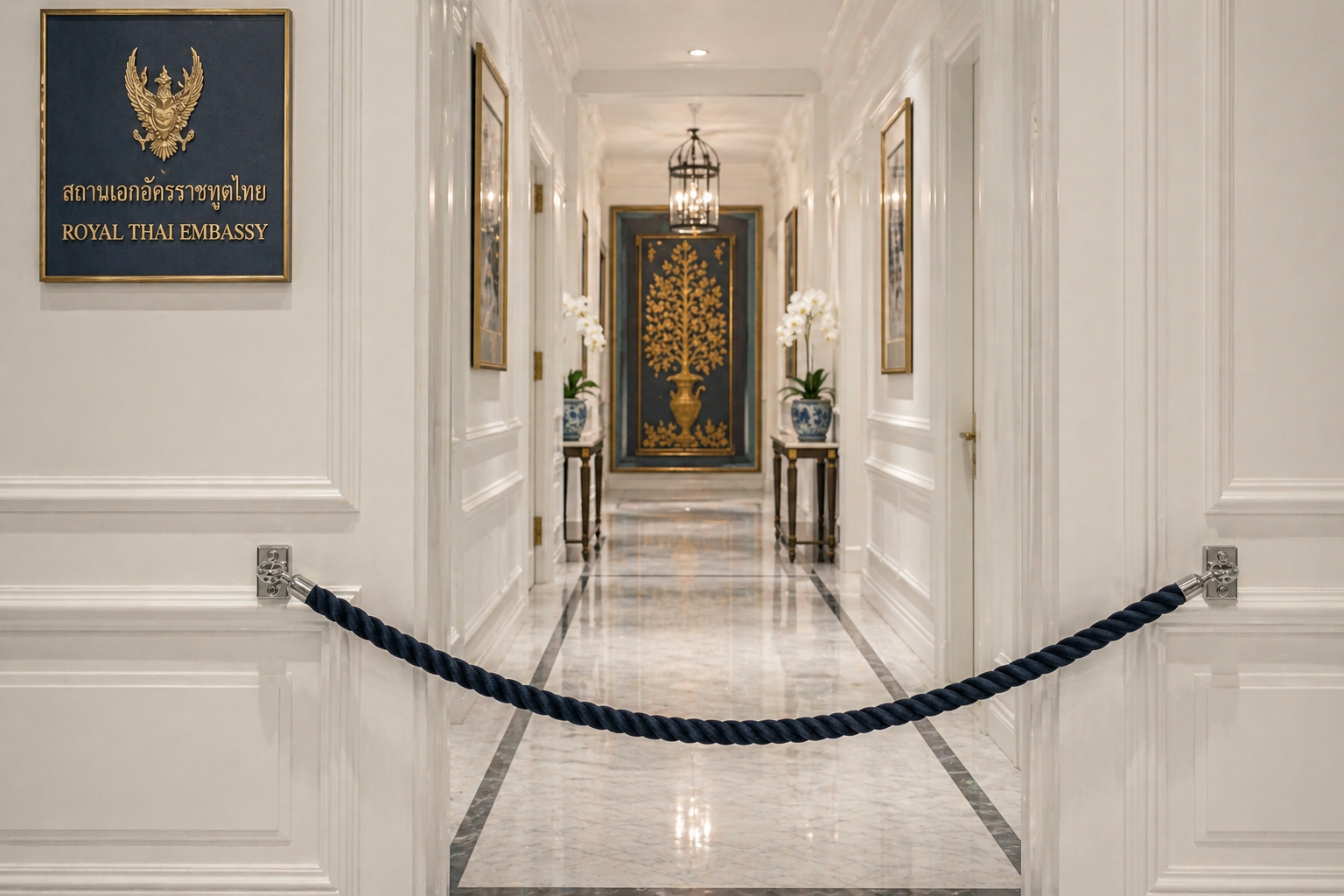
In high-end establishments, the wall-mounted rope receiver structures reception areas without visually overwhelming the lobbies. The system enables the demarcation of reception zones, guides guests towards elevators or private areas, while preserving the refined aesthetics of the premises. Wall mounting avoids floor clutter in narrow passages and facilitates staff circulation. Chrome, gold or brushed finishes harmonize with furniture and décor, reinforcing the establishment's brand image. The system can be complemented by mobile posts in temporary areas, ensuring overall visual consistency.
SPACE SAVING
Installation without floor footprint in confined spaces
Unlike base-mounted queuing systems that take up floor space, the wall-mounted rope receiver completely frees up the walkway. This feature proves decisive in narrow corridors, stairwells, technical areas or already densely equipped spaces. The absence of floor obstacles facilitates cleaning, reduces tripping hazards and optimises traffic flow. The wall-mounted system also enables the creation of guidance lines at variable heights, adapting the pathway to existing architectural constraints. Permanent fixing guarantees superior stability against accidental impacts, preventing any displacement or tipping of the device.
Questions fréquentes
The Wall Receivers for Rope provide a discreet and effective solution for securing a guide rope end directly to a wall. Ideal for optimizing space while maintaining an elegant finish, they fit perfectly into professional and high-end environments. Find answers to the most frequently asked questions below to help you choose and install your rope wall bracket.
When should you use a wall-mounted receiver?
The wall-mounted rope receiver is ideal when space is limited or when a wall is available to secure one end. It is frequently used in hotels, museums, theaters or high-end reception areas.
What are the advantages of a wall-mounted rope receiver?
The wall-mounted receiver allows you to:
- reduce the number of crowd control posts
- optimize available space
- provide a discreet and elegant finish
- stabilize the queuing line
How do you mount a wall-mounted rope receiver?
The wall-mounted receiver is generally fixed using screws to a solid wall (concrete, brick, wood). It is important to choose fixings suitable for the surface to ensure optimal strength.
Is it compatible with all types of ropes?
Most wall receivers are compatible with standard guidance ropes equipped with a snap hook. It is recommended to check the rope diameter and type of end fitting.
Can a wall-mounted receiver be used outdoors?
Yes, provided you choose a suitable model, particularly in stainless steel or treated against corrosion, to withstand weather conditions.
What installation height should be recommended?
The standard height is generally between 90 cm and 1 m from the ground, to ensure proper rope tension and good visibility.
Can a wall-mounted receiver be combined with rope posts?
Yes, the wall-mounted receiver is perfectly complementary to rope posts. It allows you to create a partial guidance line or finish an installation neatly.
Can't find the answer to your question ?
Wall rope receiver: compatibility and mounting
The wall receiver is the fixed counterpart of a retractable belt system or post: it receives the strap or cord opposite the active attachment point. When chosen correctly, it ensures consistent strap tension and quick removal.
End fitting types by system
- Magnetic: the strap clips via magnetic contact. Very quick removal but limited holding strength (15-20 kg).
- Carabiner: standard for velour/braided rope. Universal, robust, but requires two hands.
- Ring: for textile loop cords. Discreet, design-focused.
- Snap clip: common on strap retractors. One hand sufficient, 30+ kg holding strength.
Wall mounting
- Installation height: 90 to 100 cm from floor to maintain consistency with a wall-mounted retractor or a mobile rope post.
- Hardware: 2 screws sufficient for most models. On drywall, use expandable metal anchors.
- Attachment distance: strap or cord length determines maximum spacing between receiver and transmitter. Allow 10 to 15 cm slack to avoid permanent mechanism tension.
Choosing the right pair
Before purchase, verify attachment system compatibility with your retractor or active post. Mixing a magnetic end fitting with a carabiner receiver is technically possible (via adapter) but limits holding strength.
They trust us