
Industry-Specific Solutions
Café Patio Banners: Maximize Space & Visibility
Learn how strategic patio banners maximize your café's outdoor space while increasing...

Recevez en temps réel le statut de votre livraison
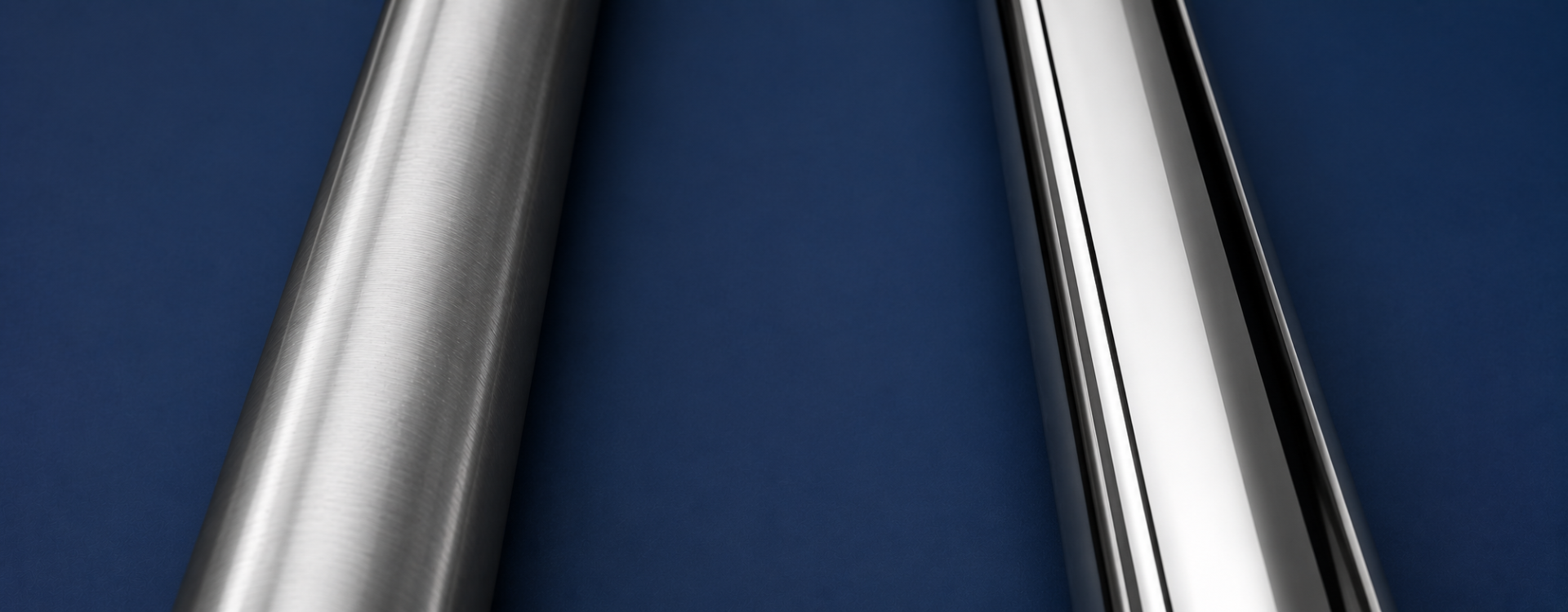
Brushed or polished steel: two finishes that appear similar at first glance, yet possess distinctly different characteristics. Understanding these differences will help you select the crowd control post best suited to your environment and aesthetic requirements.
In the world of crowd management and queue control, the post is far more than a simple rope or strap support. It plays an active role in defining the character of a space, whether that be a luxury hotel, museum, airport, or high-end commercial venue. Among the selection criteria, surface finish is paramount - and two options consistently emerge in professional projects: brushed steel and polished steel.
These two finishes are often conflated, particularly in catalogues and product datasheets. Yet their visual properties, maintenance behaviour, resistance to marking, and suitability for different environments vary considerably. This comprehensive guide provides all the information you need to understand these differences and make an informed choice.
Brushed steel, also known as satin steel or satin finish, is created through mechanical treatment of the metal surface. In practice, the steel surface is abraded in a single direction using wire brushes, abrasive belts, or medium to coarse-grit polishing discs. This process creates fine, parallel micro-scratches, giving the metal a matte to slightly lustrous appearance with a directional texture visible to the naked eye.
The result is a surface with soft, diffused reflections that does not reflect light in a mirror-like manner. Brushed steel presents a refined, contemporary, and industrial appearance, often associated with clean, minimalist aesthetics. This finish is commonly found on premium kitchen appliances, professional catering equipment, and architectural furnishings.
💡 Note: Brushed finish is often designated under BS EN 10088 as "2B" or "2D" for stainless steels, or by polishing grades ranging from 180 to 320 grit depending on the industry standard.
Polished steel - often called mirror steel, bright chrome, or mirror finish - is the result of an extended polishing process taken to its extreme. The metal surface is worked through multiple progressive stages, using increasingly fine abrasives, until a perfectly smooth and reflective surface is achieved. In some cases, electrochemical treatment (electropolishing) or chromium plating is also applied to enhance the mirror effect.
The result is a highly specular surface that reflects the environment faithfully like a mirror. This finish is associated with luxury, elegance, and prestige. You will find it in five-star hotels, casinos, premium entertainment venues, and luxury boutiques.
To facilitate your decision-making, here is a structured comparison of the two finishes across the most important criteria for a professional crowd control post purchase:
Brushed: refined, contemporary, industrial. Polished: luxurious, brilliant, prestigious. Two distinct visual universes for different atmospheres.
Brushed: marks are less visible thanks to the matte texture. Polished: fingerprints and smudges are immediately visible on the brilliant surface.
Brushed: straightforward cleaning, tolerates quick cleaning routines. Polished: requires regular, careful maintenance to retain its lustre.
Brushed: minor scratches blend into the existing texture. Polished: scratches are immediately visible and difficult to conceal.
Brushed: high-traffic areas, museums, airports, retail spaces. Polished: luxury hotels, VIP events, premium entertainment venues.
Brushed: retains its appearance longer without intensive maintenance. Polished: ages less gracefully without a rigorous maintenance protocol.
One of the most frequently underestimated criteria when selecting a crowd control post is ease of maintenance. Yet in a professional context where equipment is used daily by hundreds, sometimes thousands of people, maintenance represents a major operational and financial consideration.
The brushed finish is naturally more forgiving of everyday imperfections. Its directional texture tends to "absorb" light marks, minor scratches, and handling marks visually. For routine maintenance, a slightly damp microfibre cloth is usually sufficient to restore the post to its original appearance. It is recommended to always wipe in the direction of the brushing to avoid creating cross marks.
Polished finish is considerably more demanding in terms of maintenance. Its perfectly smooth surface immediately reveals every fingerprint, water spot, or speck of dust. In a high-traffic environment, this may require multiple cleaning interventions per day to maintain the impeccable appearance expected in a premium setting.
Brushed and polished stainless steel are not competing options — they answer different requirements. Brushed is the practical choice: fingerprints and fine scratches disappear into the grain, cleaning effort stays low and the appearance ages well in high-traffic areas. Polished is the impact choice: maximum shine, premium character and immediate visual presence — provided a regular cleaning routine is actually in place.
Decide on use rather than on taste: traffic density, indoor or outdoor exposure, the time your team can give to maintenance, and the materials already present in the space. And keep a single finish within one zone — mixing them rarely looks deliberate.
Guidance posts in brushed and polished stainless steel, with matching ropes, belts and accessories.
View the products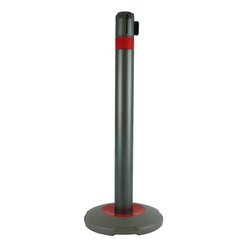















Related posts
Learn how strategic patio banners maximize your café's outdoor space while increasing...
Discover proven strategies to manage queues effectively in public administration and...
Explore 5 concrete use cases of guidance posts in airports and how they enhance safety...
Master stand signage rules and best practices to maximize your exhibition impact and...
Learn how to effectively manage patient queues in pharmacies and enhance their overall...